Loading...
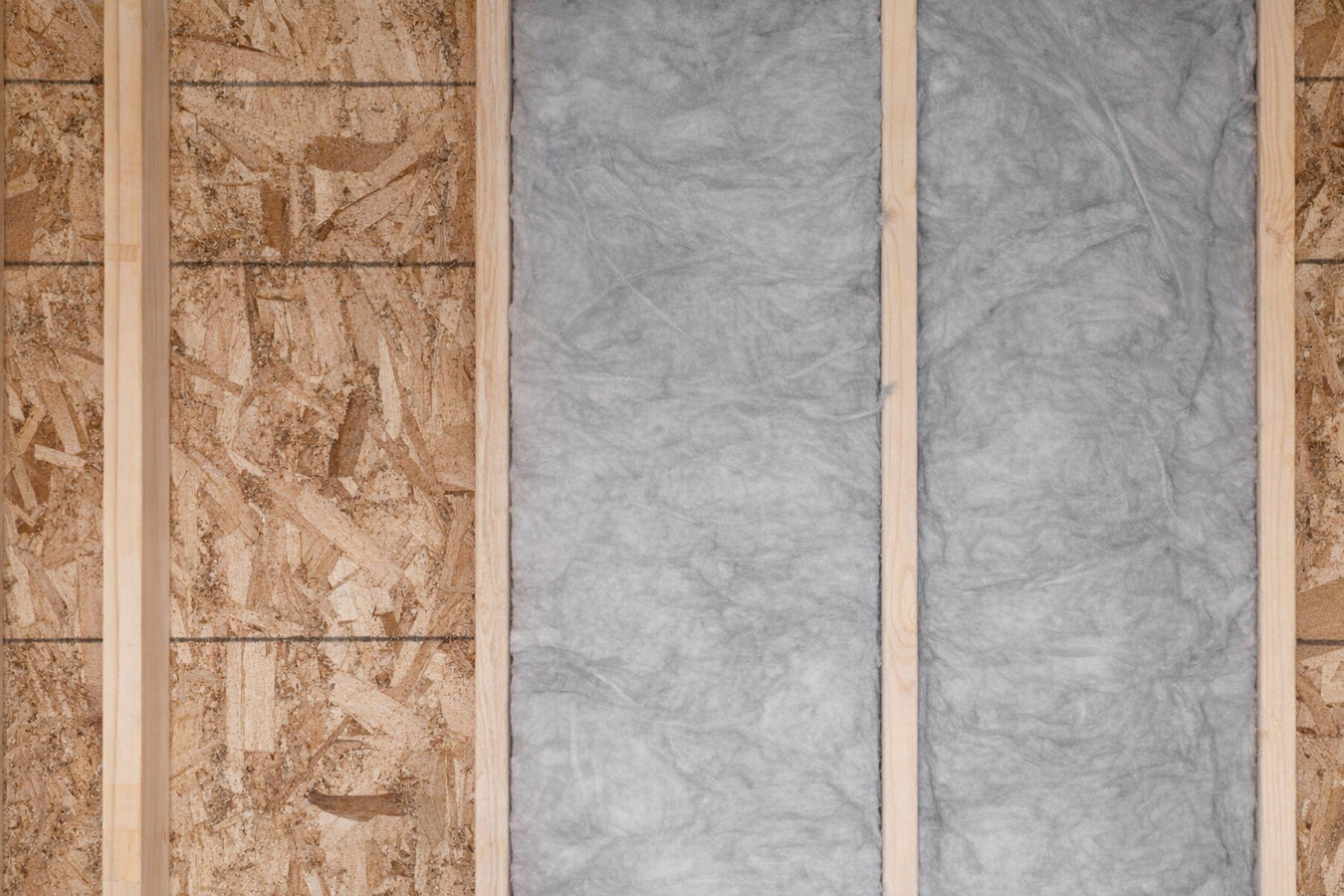
Thin or missing wall insulation is one of the main reasons Auburn homes stay hot in summer no matter how hard the AC runs. We install blown-in and batt insulation that stops heat at the wall instead of letting it pour into your living space.
Wall insulation in Auburn, AL slows the movement of heat through your exterior walls, reducing how hard your AC has to work - most blown-in jobs for an average home wrap up in one to two days with no major demolition. Auburn sits in DOE Climate Zone 3, where summers run from May through September and walls face constant heat pressure for eight months of the year. A home with thin or missing wall insulation is fighting that heat with one hand tied behind its back.
Many Auburn homes built during the 1960s through 1980s - near Auburn University, in established neighborhoods like Cary Woods, and in the brick ranch subdivisions common throughout Lee County - were built when insulation requirements were minimal. If your home is from that era and the walls have never been upgraded, the difference after installation is usually dramatic. Pairing wall insulation with air sealing services gives you the best combined result, since insulation slows heat while air sealing closes the gaps where outside air enters directly.
The EPA estimates that homeowners who properly insulate and air seal their homes can save an average of 15 percent on heating and cooling costs. See the EPA ENERGY STAR insulation savings data.
If your electricity bill climbs dramatically from May through September despite keeping the thermostat steady, your walls may be letting heat pour in faster than your AC can push it out. Auburn's summers are long and relentless, and a home with thin wall insulation will force your cooling system to run almost constantly. This is one of the clearest signs that your walls are not doing their job.
Rooms on the south or west side of the house - which take the brunt of afternoon sun in Auburn - are often the worst offenders when wall insulation is thin or missing. If one room always feels like it is fighting a losing battle even with the AC running, the wall insulation in that area is worth investigating before you assume it is an HVAC problem.
On a hot day, hold your hand near an outlet or switch plate on an exterior wall. If you feel warmth radiating from it, that is a sign the wall cavity behind it has little or no insulation. This is a simple five-minute test any homeowner can do, and it is surprisingly reliable for identifying the worst-performing walls in the home.
Auburn's high humidity means moisture problems can develop inside walls over time, especially if old insulation has degraded and allowed condensation to build up. A musty smell near an exterior wall, or faint staining around baseboards or window frames, can signal that moisture has been collecting inside the wall cavity. This gets worse, not better, on its own.
For most existing Auburn homes, blown-in loose-fill insulation is the most practical option because it does not require tearing out drywall. The crew drills small holes in the wall surface - from inside or outside depending on access - fills each cavity completely, then patches the holes. The result is fully insulated walls with minimal disruption to your daily routine. For new construction or walls being opened during a renovation, batt insulation fits between studs and delivers reliable coverage when installed correctly.
Every project starts with an on-site assessment. We look at wall age, existing coverage, and moisture conditions before recommending a method. We also check whether pairing wall insulation with blown-in insulation in the attic makes sense for your home, since addressing both areas together almost always delivers better results than tackling walls alone. Your written estimate will spell out what is included and what is not - no surprises after the job starts.
Best suited for existing homes where opening walls is impractical - fills cavities completely without major demolition work.
Best suited for new construction or renovation projects where studs are exposed and precise placement is possible.
Best suited for older Auburn homes with irregular stud spacing or cavities that need maximum fill density to prevent settling.
Best suited for homeowners who want the full comfort improvement - insulation slows heat, air sealing closes the gaps where outside air enters directly.
Auburn sits in DOE Climate Zone 3 - a hot, humid classification that means your home is fighting heat gain for eight months of the year. The Department of Energy's recommended wall insulation levels for this zone are higher than what most homes built before 1990 were originally constructed with, and Auburn grew rapidly through those decades to support Auburn University's expanding campus. Many homes in established neighborhoods - brick ranches, frame construction from the 1960s and 70s, and smaller bungalows near the university - have walls that were built to the minimum of their era, not the standards we know are right today.
Auburn also gets about 56 inches of rain per year - nearly 20 inches above the national average - and the year-round humidity means moisture management is not optional when upgrading wall insulation. A contractor who installs insulation without accounting for Auburn's humidity can create condensation problems inside walls that lead to mold and rot. We serve homeowners throughout Lee County, including in Opelika and Phenix City, and we understand the housing stock, climate conditions, and permit requirements across the region.
We will ask a few quick questions about your home's age and which areas concern you most. We reply within one business day and schedule your on-site assessment from there - no commitment required just to get a quote.
We walk through your home, check existing insulation levels, and look for any moisture or air leakage issues. We give you a written estimate before any work begins - you will know exactly what is being done, what materials are used, and what it costs.
For blown-in jobs, the crew protects your floors and furniture, drills access holes, fills each wall cavity completely, then patches the holes. Most average-sized Auburn homes are done in a single day. You can typically stay home during the work.
We clean up the work area, walk you through what was done, and answer any questions. The patch spots will need paint to match - ask us upfront whether that is included. You should notice a difference in comfort within the first few days.
No pressure, no obligation - just a clear written quote so you know exactly what the job involves before you decide.
(334) 780-0056We are an experienced wall insulation crew based in Auburn. That means we know Lee County permit requirements, and you are not dealing with a company that flies crews in from out of state and leaves when the job is done.
Auburn's hot, humid climate puts specific demands on wall insulation that contractors from drier markets do not always account for. We use materials and methods matched to Zone 3 conditions - so moisture management is built into every job, not treated as an afterthought.
We have worked on homes across Auburn, Opelika, and the surrounding Lee County area - from brick ranch homes built in the 1960s to newer subdivisions on the city's west side. We know the local housing stock and what each era of construction typically needs.
You should never agree to insulation work based on a verbal quote from someone standing in your living room. We put every scope and cost in writing before we start - so you know exactly what is being done, what materials are going in, and what the total will be.
Every one of those points adds up to the same thing: a job done right the first time, in your actual home, by people who will still be around if something needs attention afterward. Wall insulation is an investment in your home's comfort and efficiency for years to come.
Close the gaps where outside air enters directly - the natural next step after insulating your walls.
Learn moreBlown-in loose-fill for attics and floors - pairs well with wall insulation to address your whole home in one project.
Learn moreAuburn summers start in May and do not let up until October - schedule your wall insulation assessment now and be ready before the heat peaks.