Loading...
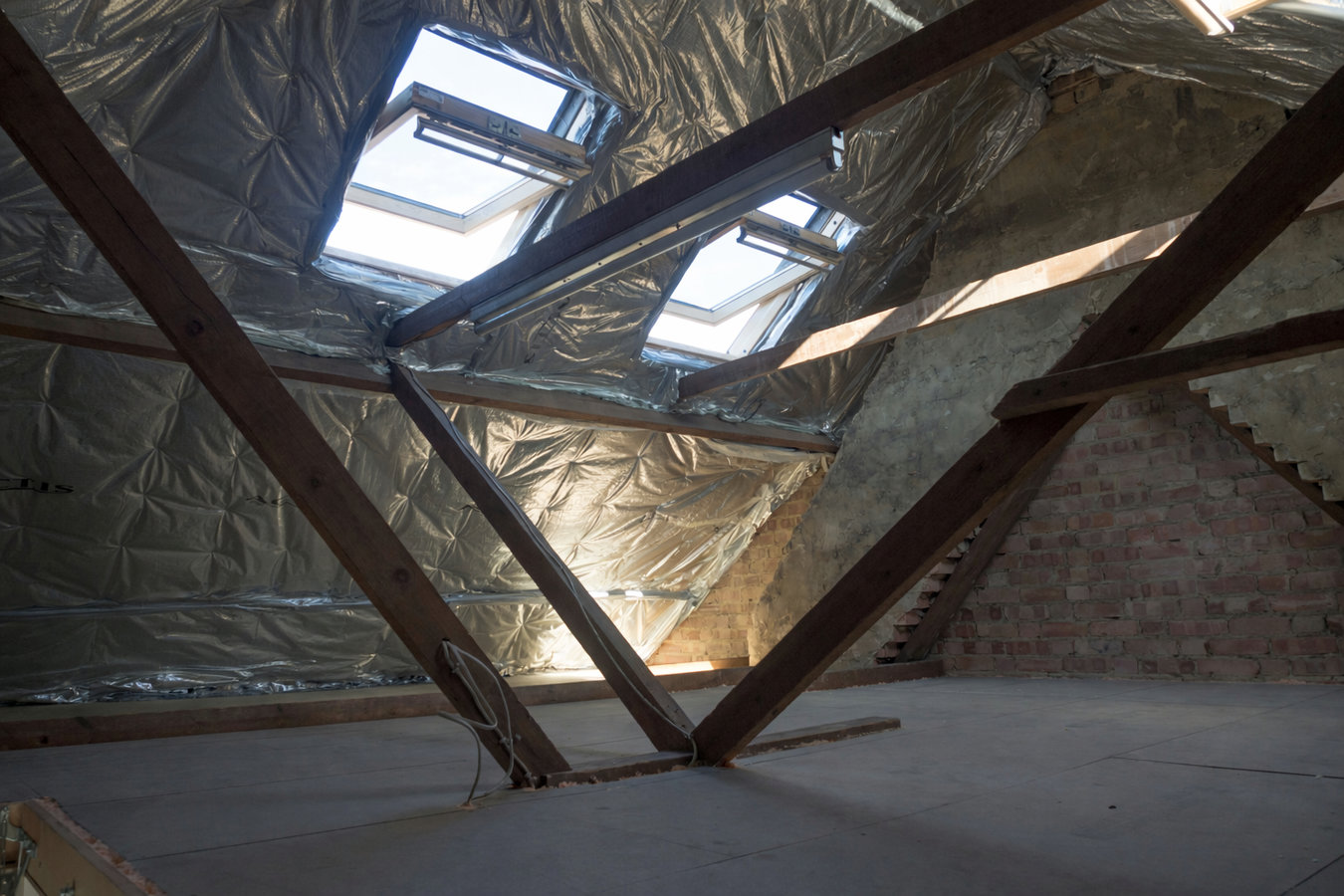
A poorly insulated attic lets heat pour into your home all summer long. We upgrade Auburn attics with the right material, the right depth, and air sealing done first - so the improvement you pay for is the improvement you actually get.
Attic insulation in Auburn, AL acts as a thermal barrier between the sun-heated roof and your living space - most standard jobs for a single-family home are completed in one day. Without adequate insulation, radiant heat from your roof moves straight into the rooms below, forcing your air conditioner to run constantly just to maintain a comfortable temperature. In Auburn's climate, where the AC runs hard from April through October, that wasted energy shows up every month on your Alabama Power bill.
Most attic insulation upgrades in Auburn use blown-in loose-fill material because it fills around joists and unusual attic shapes without requiring demolition. The key step that separates a good job from a poor one is air sealing - closing gaps around pipes, wires, and framing - before any new insulation goes in. Insulation alone does not stop air from moving through holes. If you are also dealing with moisture in your attic or want to address the full picture, pairing this work with attic air sealing ensures the best result.
The U.S. Department of Energy estimates that properly air sealing and insulating an attic can cut heating and cooling costs by up to 15 percent - and in Auburn, where cooling runs for months, that adds up. ENERGY STAR has resources on attic air sealing and insulation for homeowners.
If your electricity bill jumps sharply in May and stays high through September, your attic may be the reason. Auburn summers are long and intense, and a poorly insulated attic lets heat pour into your living space all day, forcing your AC to run almost constantly. If neighbors in similar-sized homes pay noticeably less, that gap is worth investigating.
If the upstairs bedrooms or rooms under the attic feel significantly warmer than the rest of the house - even with the AC running - heat is moving through the ceiling from above. This is one of the most common complaints homeowners in Auburn's older neighborhoods describe, and it is almost always an insulation problem.
If you peek into your attic and can clearly see the wooden beams running across the floor, your insulation is too thin. Properly insulated attics in Auburn's climate zone should have insulation deep enough that the floor joists are buried and not visible. If you can see them, you are losing energy every day.
A musty smell from your attic - or evidence of droppings, nesting, or chewed material - suggests existing insulation may be contaminated or moisture-damaged. Auburn's humidity and wooded neighborhoods make both problems more common here than in drier regions. Damaged insulation needs to be removed and replaced, not just added to.
We install blown-in and batt insulation for attic upgrades and replacements across Auburn and the surrounding area. The right material depends on your attic's current condition, layout, and whether you are upgrading existing coverage or starting fresh after a removal. For attics that currently have minimal or no insulation - common in homes near Auburn University built in the 1960s and 1970s - blown-in material is typically the fastest and most complete solution. If moisture damage or pest contamination is present, we also handle blown-in insulation installation after removal and prep work.
Every attic job starts with a written estimate that breaks down what is included - current conditions, materials, depth being added, and whether air sealing is part of the scope. We do not skip the air sealing step because it makes the insulation perform the way it is supposed to. If you have questions about whether your home also needs wall or crawl space work, we will tell you honestly during the estimate visit.
Best suited for existing attics where coverage needs to be added or supplemented without demolition - fills odd shapes and around obstructions completely.
Best suited for attics with straightforward layouts and consistent joist spacing where rolls can be cut and laid without significant obstructions.
Best suited for all attic jobs - closing gaps around penetrations, fixtures, and framing before new insulation goes in ensures the thermal barrier performs as intended.
Best suited for attics where existing material is wet, pest-contaminated, or so degraded that adding on top would be ineffective or unsafe.
Auburn sits in a hot-humid climate zone and summer temperatures regularly reach the low-to-mid 90s from May through September. That heat radiates directly through your roof and into your attic all day long. If your insulation is thin or patchy, your air conditioner is fighting a losing battle every single day of the cooling season. A significant portion of Auburn's housing - particularly the neighborhoods surrounding Auburn University and older parts of the city - was built in the 1960s through 1980s, to standards that are well below what is recommended today. We regularly help homeowners in Auburn and nearby Talladega who have never had their attic evaluated since they bought their homes.
Auburn's high humidity also creates a moisture risk specific to this region. When warm, humid air gets into an attic and meets a cooler surface, it can condense and dampen insulation over time. Wet insulation loses its effectiveness and can eventually lead to mold or wood rot in the roof deck. A contractor working in Auburn should always check attic ventilation and look for moisture signs before adding new material. The North American Insulation Manufacturers Association sets installation guidelines that qualified contractors follow to ensure consistent results in climates like Auburn's.
We ask a few basic questions - your home's age, approximate size, and whether you have noticed specific problems like high bills or uneven temperatures. We respond within one business day and schedule an on-site visit. Do not expect a price over the phone - a contractor who quotes without seeing the attic is guessing.
We go into your attic and look at what is there - how much insulation exists, what condition it is in, whether there are signs of moisture, pests, or air leaks. You receive a written estimate that breaks down what is included before any work begins.
Before any insulation goes in, we seal gaps and openings in the attic floor around pipes, wires, recessed lights, and framing. This step is easy to skip - and often skipped by less thorough contractors - but it makes a significant difference in how well the insulation performs. The installation itself is contained entirely to the attic.
Once the work is done, the crew cleans up around the access point. We walk you through what was done and explain what to expect going forward. Your home is fully usable right away. Most homeowners notice the difference in comfort within the first few days - and the impact on energy bills typically shows up in the following billing cycle.
We will come out, look at what is in your attic, and give you a written estimate at no charge. No pressure, no obligation - just an honest look at what your home needs and what it will cost to fix it.
(334) 780-0056Auburn Insulation has years of hands-on attic experience across the area. Ask for references and photos from recent Auburn-area jobs before committing to anything. Hiring a crew that knows the local housing stock means the work fits your home instead of a one-size-fits-all template.
Auburn's wooded neighborhoods and persistent humidity mean attic pest intrusions and moisture damage are common. We check for both before a single bag of insulation goes in. Contractors who skip this step can leave you with new insulation sitting on top of a problem that will just get worse.
We have worked on attics in Auburn's oldest neighborhoods and its newest subdivisions. We know what the housing stock looks like across Lee County, how Auburn's climate affects different attic configurations, and what the local building department requires for permitted renovation work.
Every estimate is itemized - what condition your attic is currently in, what materials will be used, how much depth will be added, and what the final price is. That number does not change when the crew shows up. There are no add-ons on the day of installation that were not in the original quote.
The step most contractors skip - air sealing before insulation goes in - is the step that determines whether your energy bills actually improve. We do not skip it, and we will show you the difference in your home's performance after the job is done.
Blown-in material is the standard choice for adding depth to existing attics - it fills around joists and unusual shapes without requiring demolition or removing what is already there.
Learn moreAir sealing closes the gaps that insulation alone cannot address - around pipes, wires, and framing where conditioned air escapes and outdoor air enters your living space.
Learn moreSummer is coming - get your attic ready before the heat hits and your energy bills climb. Call now to schedule your free estimate.