
Loading...
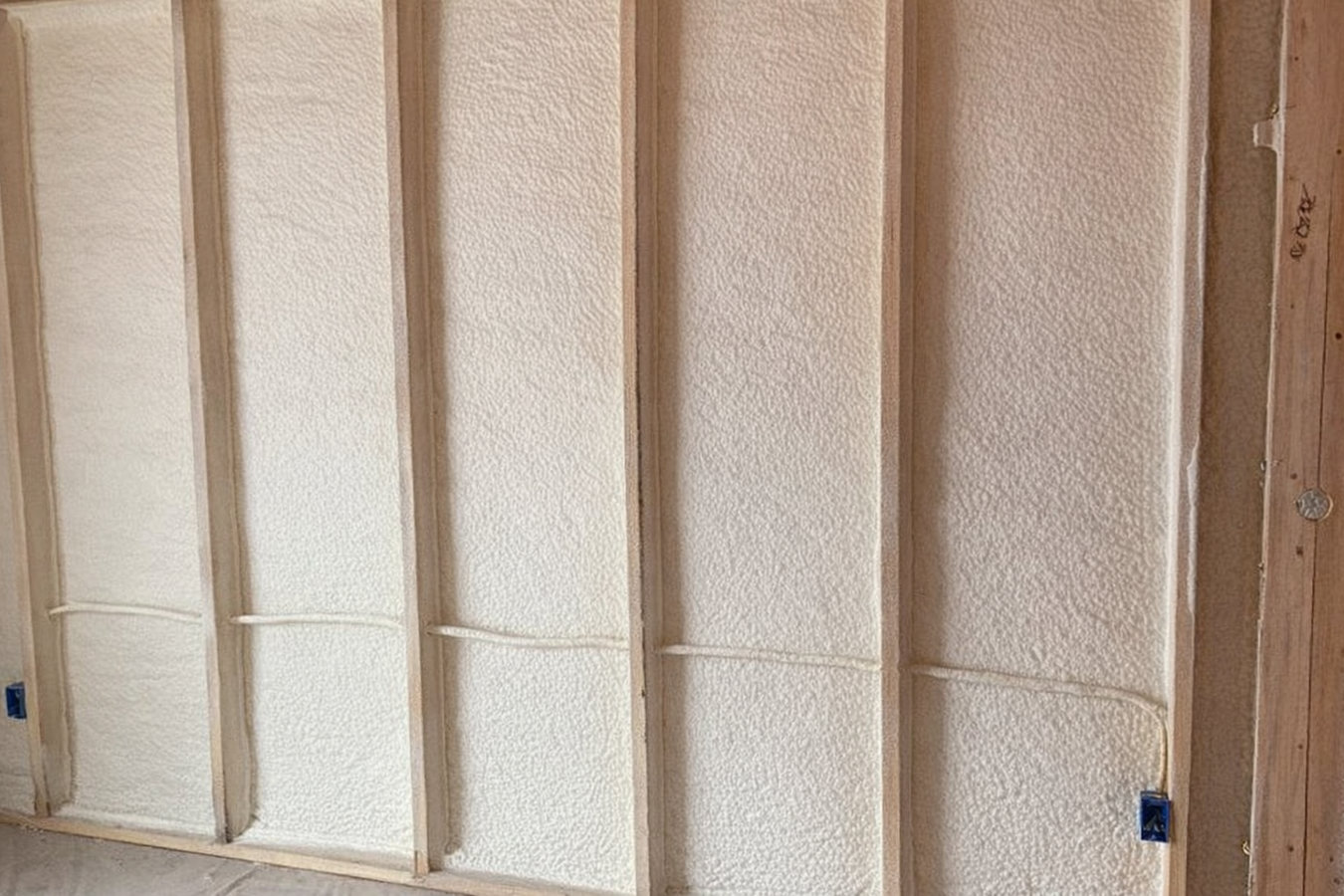
Hot rooms, high bills, and moisture creeping into crawl spaces - closed-cell foam stops heat and humidity at the source so your AC stops fighting an uphill battle all summer.
Closed-cell foam insulation in Auburn starts as a liquid and expands into a rigid, dense foam that insulates and air-seals in a single application - most residential jobs covering one area like an attic or crawl space are completed in one to two days, with the foam fully cured and safe within 24 hours.
Unlike fiberglass batts or blown-in material, closed-cell foam does not settle or sag over time, and its density makes it highly resistant to moisture - which is why it has become the go-to material for crawl spaces and attics in Auburn's humid climate. If your home has rooms that never quite cool down or a crawl space that smells musty after rain, this is often the most durable fix.
Closed-cell foam is one component of a complete approach. Many Auburn homeowners combine it with spray foam insulation in other areas of the home to address heat and air loss from attic to crawl space in a single project.
If your electricity bill climbs sharply in May and stays high through September, your home is likely losing cooled air through gaps in the thermal envelope. Auburn's long cooling season means even a modest air leak adds up to significant money over five or six months of active AC use.
Auburn's clay soil holds moisture against foundation walls, and that moisture migrates up into crawl spaces and floor systems. A musty smell from floor vents or soft spots underfoot in certain rooms can signal that moisture has been working on your home's structure - and closed-cell foam applied to the crawl space stops it at the source.
If your upstairs bedrooms or back rooms feel noticeably hotter than the rest of the house even when the AC is running, the insulation in your attic or walls may be thin, missing, or damaged. This is especially common in Auburn homes built in the 1970s and 1980s, where attic insulation was often installed to a minimal depth.
Hold your hand near an outlet on an exterior wall on a hot summer day. If you feel warm air coming through, your wall cavities are not properly sealed. This is a common finding in older Auburn homes and means conditioned air is escaping while outdoor heat and humidity are getting in through gaps you cannot see.
We apply closed-cell foam to attics, crawl spaces, rim joists, and exterior walls - the areas where heat and moisture infiltration tend to be highest in Auburn homes. The material expands and hardens within seconds of application, creating a continuous, airtight layer that does not shift or settle over time. For crawl spaces with persistent moisture issues, we often pair this work with open-cell foam insulation in areas above grade where full rigidity is not needed, reducing project cost without sacrificing performance in the areas where moisture resistance matters most.
Before installation, we assess the areas being insulated for existing moisture issues, damaged framing, or conditions that would undermine the foam's performance over time. Auburn's clay soils and high rainfall mean that crawl spaces especially need a moisture-first assessment before foam goes in. We also coordinate with homeowners on prep - clearing the work area and planning for the re-entry window after application. When homeowners want a broader review of their home's thermal performance, we can combine this work with a full spray foam insulation assessment covering the whole home.
Best for homes where the attic is the primary source of heat gain - creates a sealed thermal barrier that dramatically reduces the load on your air conditioner during Auburn's long cooling season.
Suited for Auburn homes with clay soil conditions and a history of dampness - stops moisture infiltration at the foundation while insulating the space from below.
Ideal for older Auburn homes where the framing at the top of the foundation wall and exterior wall cavities are the biggest sources of air and energy loss.
Auburn sits in a climate zone where summer temperatures regularly climb into the low 90s and humidity stays high from late spring through early fall. Your air conditioner runs almost constantly for five or six months of the year, and any gap in your home's thermal envelope lets that expensive cooled air escape while hot, humid outdoor air pushes in. Closed-cell foam's density - significantly higher than standard fiberglass or blown-in material - means it resists both heat and vapor movement at the same time. For Auburn homeowners, that dual function matters because heat and humidity arrive together every summer.
A large share of Auburn's housing stock dates from the 1960s through 1990s, with significant concentrations of older homes in neighborhoods near Auburn University and throughout Lee County. These homes were built to standards that look nothing like what is recommended today, and many have never had a meaningful insulation upgrade. We regularly work in Opelika and Tuskegee on homes with nearly identical age profiles to what we see in Auburn - and the improvement after closed-cell foam installation is consistent across all of them.
We respond within one business day. We ask about your home's age, the areas you want to address, and any comfort or moisture issues you have noticed. You do not need to have all the answers ready.
We walk through your home, check the areas being insulated, and look for moisture or structural issues that need to be resolved first. You get a written estimate with scope and cost before any commitment.
Clear the work area before the crew arrives. Plan to be out of the home during the spray and for a few hours after while the foam cures. Your contractor gives you the specific re-entry window. Most single-area jobs finish in one day.
Once cured and you are back home, we walk you through the finished work - showing you what was installed and where. If a permit inspection is required through Auburn's Building Department, we coordinate that as well.
No pressure, no obligation - just a straight answer about what your home needs and what it will cost before you decide.
(334) 780-0056Our crews have years of hands-on closed-cell foam experience across the Auburn area. Ask for references and photos from recent local jobs before you commit - any contractor who cannot show you their past work should be removed from your list.
We follow the installation standards set by the Spray Polyurethane Foam Alliance, the national trade body for spray foam contractors. That means consistent coverage, correct mixing ratios, and a finished job you can evaluate - not just take on faith.
About SPFA standardsEvery request - call or form submission - gets a response from us within one business day. We show up on time for the estimate, give you a written quote the same visit, and do not pressure you to decide on the spot. Auburn homeowners should not have to chase a contractor for a quote.
Auburn's crawl spaces and older basements regularly have moisture issues that need to be addressed before foam goes in. We have built this check into our process for every job - it is how we protect both our work and your home from problems that show up months or years later.
Older Auburn homes can be made to perform like newer ones with targeted insulation work - the payback is real, and it shows up in comfort and on your utility bill within the first full cooling season after installation.
The EPA's spray polyurethane foam guidance covers re-entry times and safety considerations in plain language. For questions about whether your Auburn project requires a permit, the City of Auburn Building Department is the authoritative source.
A softer, more flexible foam suited for interior walls and above-grade areas where maximum moisture resistance is less critical and cost efficiency matters.
Learn moreA broader overview of spray foam options covering both closed and open-cell applications across the full home - helpful when you need a whole-home insulation assessment.
Learn moreAuburn summers don't wait - lock in your installation date before the heat of the season hits and our schedule fills up.