Loading...
Auburn Insulation serves Phenix City, AL homeowners with spray foam, attic insulation, and crawl space solutions. We work right here on the Alabama side of the river and reply within one business day - no runaround, no upsell.
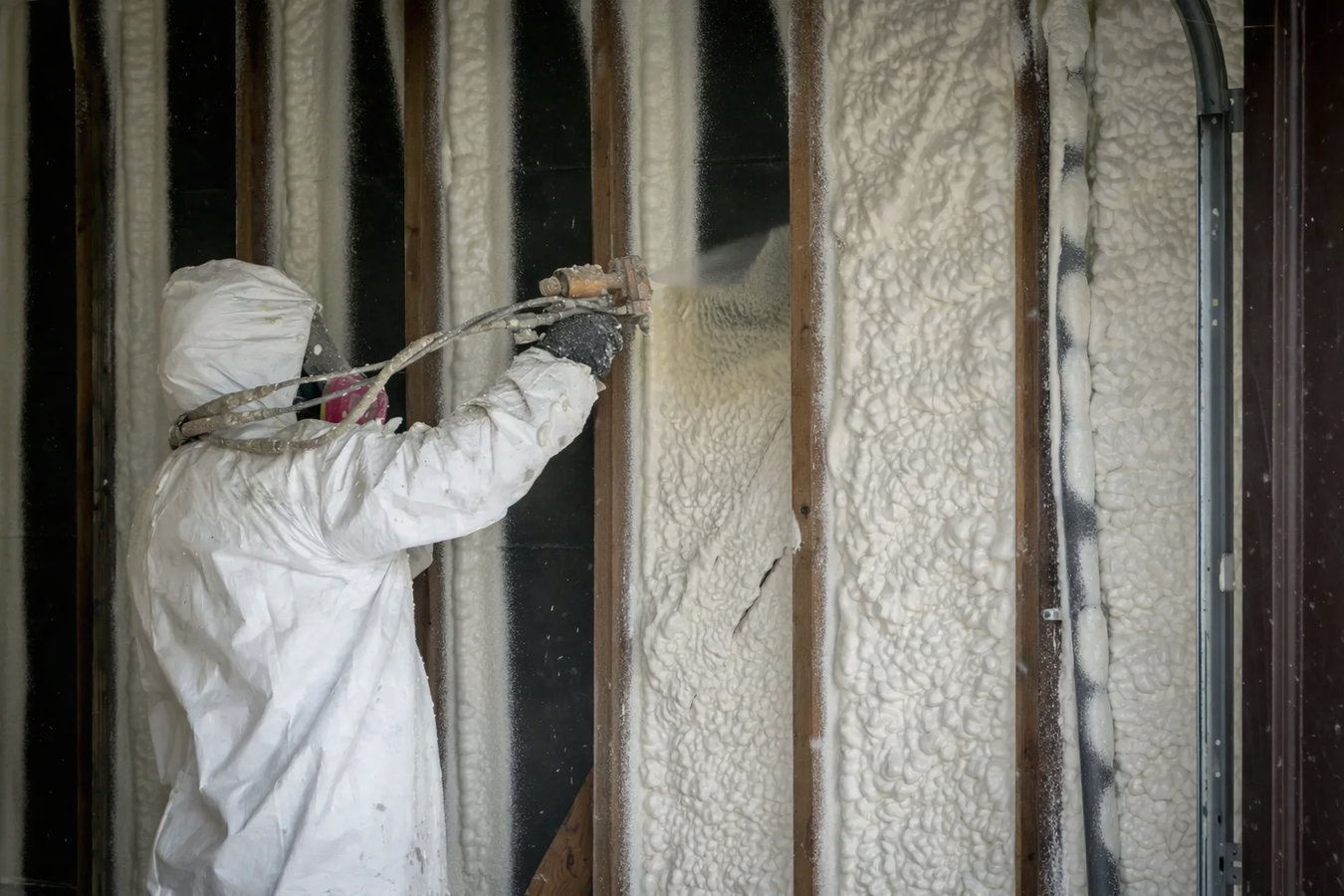
Phenix City's brick ranch homes from the 1950s and 1960s were built without modern insulation standards, and most have significant air leaks around top plates, rim joists, and penetrations. Our spray foam insulation seals those leaks and adds R-value in one step, which is the most efficient upgrade available for older slab-on-grade homes in this area.
With Phenix City summers running hot from May through September and AC units working nonstop, an under-insulated attic is the single fastest path to an oversized electricity bill. Older homes throughout Russell County frequently have attic insulation that has settled to an inch or less over the years, providing almost no thermal resistance.
Many of Phenix City's homes built from the 1980s onward have vinyl siding over wood-framed walls with little or no insulation inside the wall cavities. Blown-in wall insulation can be added through small holes drilled from the exterior, restoring thermal performance without tearing out drywall or siding.
Phenix City's humid climate means that air leaks carry moisture into wall cavities and attic framing, where it can cause mold and wood rot over time. Sealing gaps at the top plate, around plumbing and electrical penetrations, and along the rim joist before adding insulation makes every other upgrade work better.
For Phenix City homeowners who want to upgrade attic insulation without a full tear-out, blown-in cellulose or fiberglass is a cost-effective option that can be installed over existing material in a few hours. It is a practical choice for the newer subdivisions on the northern and eastern edges of the city where homes are generally in good shape but simply under-insulated.
While most Phenix City homes are slab-on-grade, properties in lower-lying areas near the Chattahoochee River may have partial crawl spaces or exposed soil areas that accumulate moisture. A vapor barrier installed over exposed ground in these spaces prevents ground moisture from migrating up into floor framing and the living space above.
Phenix City sits in the deep humid South, and its summers are among the most demanding in the state for home energy systems. Temperatures regularly reach the mid-90s from June through August, and AC units in homes without adequate insulation run almost nonstop during those months. When your cooling system is working that hard against a poorly insulated building envelope, the result shows up on your utility bill every month from May through September. The clay-heavy soils in Russell County also hold water long after a rain, which keeps ground moisture pressing against foundations and crawl spaces throughout the year.
The age and construction type of Phenix City's housing stock creates additional complexity. A large share of the city's single-family homes were built between the 1940s and 1980s as slab-on-grade brick ranches, which were constructed under building codes with no meaningful insulation requirements. The original insulation in these homes - if it was installed at all - has had 40 to 80 years to settle, compress, and in some cases absorb moisture from the area's humid climate. Contractors who know Phenix City's housing type can quickly assess what is actually there and what the most cost-effective upgrade path looks like.
Our crews work regularly on slab-on-grade brick ranch homes throughout Phenix City and Russell County - the type of construction that makes up the majority of the city's older neighborhoods. Permit requirements for insulation projects in Phenix City run through the City of Phenix City Building and Inspections Department, and we handle the permit process for any project that requires one so homeowners do not have to navigate it themselves.
Phenix City sits directly across the Chattahoochee River from Columbus, Georgia, connected by several bridges including the landmark 14th Street crossing. We know this area well - from the older neighborhoods near downtown and the riverfront Amphitheater, to the newer subdivisions growing on the city's northern and eastern edges. Whether your home was built in the 1960s near the river or in a subdivision from the 1990s, we have worked on homes like yours throughout the city.
We also serve homeowners in nearby Columbus, GA across the river, and regularly work across the broader region between those two cities. If you are unsure whether we cover your address, call us and we will let you know directly.
Reach us by phone at (334) 780-0056 or through the contact form, and we will respond within one business day. No pressure, no commitment required to get a conversation started.
We visit your Phenix City home, inspect the attic, crawl space, or walls, and give you a written estimate before any work begins. The estimate covers materials, labor, and timeline - no surprises after the job starts.
Most Phenix City jobs are completed in a single day, and you do not need to be home for the entire process - we will confirm what access we need beforehand. If spray foam is being installed, we will let you know how long to ventilate the space before re-entry.
After installation we walk through the work with you and answer any questions. If anything comes up in the weeks after completion, call us and we will address it directly.
Auburn Insulation serves Phenix City, AL homeowners with free written estimates and no-pressure consultations. We reply within one business day.
(334) 780-0056Phenix City is a mid-sized Alabama city of about 40,000 residents on the western bank of the Chattahoochee River, sitting directly across from Columbus, Georgia, and connected to it by several bridges. The city has a mix of older neighborhoods near the river and downtown - including areas with brick ranch homes dating to the 1940s through 1970s - and newer residential development spreading outward to the north and east. The riverfront area includes the Phenix City Amphitheater, a local gathering spot for community events, and the downtown corridor has seen ongoing revitalization in recent years. You can learn more about the city's history and character on the Phenix City Wikipedia article.
The local economy is closely tied to Fort Moore (formerly Fort Benning), the large U.S. Army installation just across the river in Columbus. This connection creates a steady population of military families and long-term homeowners alike. About half of Phenix City's housing units are renter-occupied, which is higher than the national average, but there is also a solid base of owner-occupied homes throughout the city's older and newer neighborhoods. Neighboring Opelika, AL is about 45 minutes to the north along US-431 and shares some of the same housing-era characteristics and climate challenges.
High-performance spray foam that seals and insulates in a single application.
Learn moreKeep heat out in summer and in during winter with proper attic insulation.
Learn moreLoose-fill insulation that fills gaps and cavities for even coverage throughout.
Learn moreProtect your floors and foundation with targeted crawl space insulation.
Learn moreImprove comfort and energy efficiency with properly insulated exterior walls.
Learn moreEliminate drafts and air leaks to lower utility bills and improve air quality.
Learn moreInsulate basement walls and rim joists to reduce moisture and heat loss.
Learn moreDense, moisture-resistant closed-cell foam for maximum R-value per inch.
Learn moreLightweight open-cell foam ideal for interior walls and soundproofing.
Learn moreSeal attic bypasses before insulating for a dramatic efficiency improvement.
Learn moreHeavy-duty polyethylene barriers that block ground moisture from your home.
Learn moreProfessional vapor barrier installation for crawl spaces and basements.
Learn moreCommercial-grade insulation solutions for businesses, warehouses, and offices.
Learn moreServing these cities and communities.
Summer is the hardest season on your cooling system. Call Auburn Insulation now and find out exactly what your home needs before the heat arrives.