
Loading...
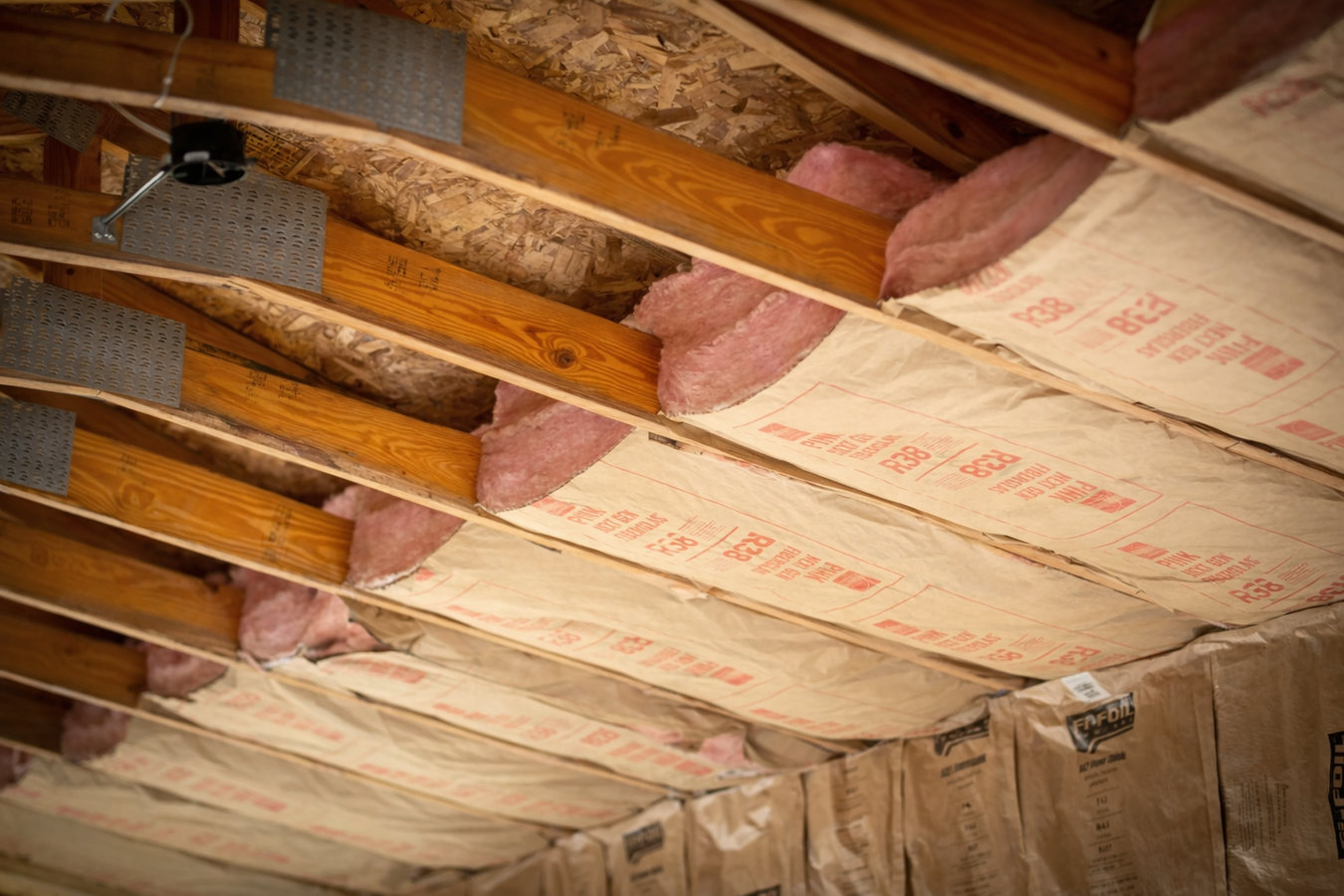
High cooling bills, hot upstairs rooms, and drafty winters all come back to one thing: your home's insulation is not doing its job. We find the gaps and fix them, from attic to crawl space.
Home insulation in Auburn covers your attic, walls, and crawl space with the right materials and R-values for Alabama's climate - most single-area jobs finish in one day, and whole-home projects typically take two to three days.
The most common starting point is the attic, which is where the majority of heat gain and loss happens in an Auburn home. But a home insulation assessment goes further - it looks at every part of your building envelope to find where energy is escaping and prioritizes the upgrades that will have the biggest impact on your comfort and bills.
If you know you have a specific problem - like an old attic that needs a full refresh - our insulation removal service handles the safe extraction of old, damaged, or contaminated material before new insulation goes in. For homes where the original installation has simply aged past its useful life, we also offer retrofit insulation solutions designed for existing structures where accessibility is limited.
If your Alabama Power bill climbs hard from May through September even when you have not changed your habits, your home is working overtime to fight Auburn's heat. A well-insulated home keeps your cooling system from running constantly, and you will see that reflected in what you pay each month.
Walk through your home on a hot July afternoon and notice whether some rooms feel significantly warmer than others. Uneven temperatures - especially in rooms directly under the roof or above a crawl space - almost always point to insulation gaps. This is a common complaint in Auburn's older neighborhoods, where insulation was often uneven or has settled over the years.
If you can safely look into your attic and the wooden beams across the floor are visible above the insulation, you almost certainly do not have enough. In Auburn's climate, healthy attic insulation should be thick enough that those joists are buried and not visible. This is a quick check anyone can do from the attic hatch.
Auburn's humidity and rainfall mean crawl spaces can collect moisture, especially after heavy rain. If you smell something musty from your floors, or if you have seen standing water or condensation under your home, your crawl space insulation may already be compromised. Wet insulation does not work and can quietly cause mold and wood rot if left unaddressed.
We approach home insulation as a whole-house project, not a single-area fix. That means we assess your attic, walls, and crawl space together, identify where the biggest losses are happening, and recommend upgrades in the order that delivers the best return on your investment. We install blown-in loose-fill, fiberglass and mineral wool batts, and spray foam - using each type where it performs best rather than defaulting to whatever is fastest. Homes that need old material removed first can take advantage of our insulation removal service before new material goes in.
For existing homes where getting into the walls or floor system without major demolition is a challenge, our retrofit insulation approach uses dense-pack and injection techniques to improve coverage in spaces that were not properly insulated during original construction. We also follow up every project with documentation that supports any Alabama Power rebate application, so you do not have to chase the paperwork yourself.
The highest-priority upgrade for most Auburn homes - blown-in or batt installation to the R-value target recommended for Alabama's hot-humid climate zone.
Insulation and moisture management for homes with crawl space foundations, addressing both energy loss and Auburn's persistent humidity challenges.
Batt, blown-in, or injection foam for exterior and interior walls where thin or missing coverage is contributing to uneven room temperatures.
Gap sealing around penetrations, light fixtures, and the attic hatch before new insulation goes in - the step that makes the rest of the work actually perform.
Auburn's attic temperatures can reach extreme levels on a July afternoon, and without adequate insulation that heat radiates straight into your living spaces. The Department of Energy places Auburn in a climate zone that calls for attic insulation levels significantly higher than what many homes in the area currently have - and for homeowners in neighborhoods close to Auburn University, where brick ranch homes and bungalows from the 1950s through 1970s make up a large share of the housing stock, the gap between what is installed and what is needed can be substantial. What was considered adequate when those homes were built is not even close to today's recommendations.
Auburn also sees about 56 inches of rainfall per year and year-round humidity that stays above 70 percent for much of the year. Those conditions make crawl space moisture a real concern - wet insulation loses most of its effectiveness and can create conditions for mold and wood damage that are expensive to fix later. Any whole-home insulation assessment here should include a crawl space check, not just the attic. Homeowners in nearby Tuskegee and Alexander City face the same climate conditions and benefit from the same thorough approach.
Tell us the age of your home, what you have been experiencing - high bills, hot rooms, or drafts - and which areas concern you most. We reply within 1 business day and schedule a free in-home assessment at your convenience.
We visit your home, look at your attic, crawl space, and any walls of concern. The assessment takes 30 to 60 minutes. You get a written estimate that spells out the work, materials, and cost - no pressure to sign on the spot.
The crew protects your floors and living areas near the work area. Most attic jobs finish in a single day. Whole-home projects covering attic, walls, and crawl space typically take two to three days. You do not need to leave your home.
We walk through what was done before leaving. You receive a summary of materials used and R-values achieved. If you plan to apply for an Alabama Power rebate, your invoice includes everything the application requires.
Free in-home assessment, no pressure. We reply within 1 business day and schedule around your life.
(334) 780-0056We do not give a price without looking at your home first. An insulation installer who quotes you without visiting your attic and crawl space is guessing, and a wrong guess means the job underperforms. Our assessments are thorough, free, and take about 30 to 60 minutes.
Auburn's neighborhoods range from brick ranch homes built in the 1950s near campus to newer subdivisions on the city's west and north sides. We have worked on both, and we know the insulation challenges each type of home presents - from compressed original batt insulation in older crawl spaces to vapor management issues in newer tightly built homes.
Every job gets a written summary of materials used, R-values achieved, and areas covered. That document matters both for your records and for any utility rebate application you want to file. We walk you through it before we leave, so you can confirm the finished work matches what we quoted.
In Auburn's climate, adding insulation over a moisture problem makes things worse, not better. We check for signs of water intrusion, inadequate ventilation, or existing damp spots before any material goes in. This step is not optional - it is the difference between insulation that lasts 25 years and insulation that quietly degrades in two.
We use the materials that work best for each part of your home - not just whatever is fastest to install. That approach takes a little more planning upfront, but it is why Auburn homeowners notice a real difference in comfort and energy costs after working with us.
Have a question not answered here? Call us directly or send a message and we will answer your question without the jargon.
Safe extraction of old, damaged, or pest-affected insulation before new material is installed - the right first step when existing material can no longer be upgraded in place.
Learn moreDense-pack and injection foam techniques for adding insulation to existing walls and floor systems without opening up finished surfaces.
Learn moreSummer is coming and every week you wait is another week of your AC fighting through your ceiling. Call or send us a message today to get your free in-home assessment scheduled.