
Loading...
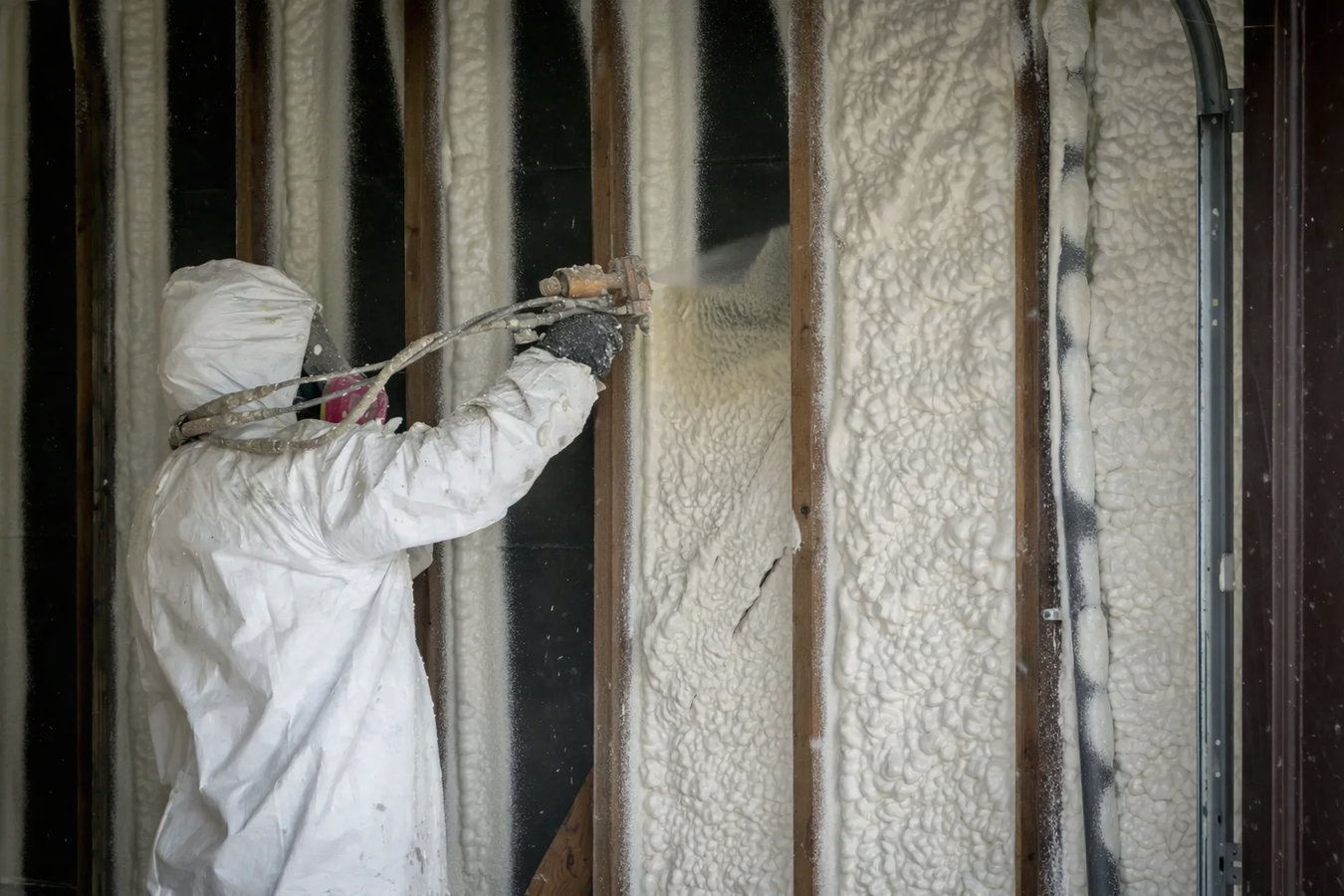
Auburn Insulation serves Columbus homeowners with spray foam insulation, attic upgrades, crawl space work, and vapor barriers. Many Columbus homes were built before 1980 with thin insulation and clay soil moisture issues -- we know what those brick ranch homes need, and we reply within one business day.
Columbus summers regularly hit the low 90s, and homes on slab foundations with thin attic insulation struggle to keep cool inside. Our spray foam insulation service seals air leaks at the same time it insulates, which matters more in hot, humid Georgia than in drier climates -- closed-cell spray foam also blocks moisture in crawl spaces affected by clay soil drainage.
Most Columbus homes built between the 1950s and 1980s have original attic insulation that has settled to a fraction of its initial thickness. With summer attic temperatures pushing above 130 degrees, that thin coverage lets heat press down through the ceiling all day, driving up cooling costs in every room below.
Clay soil under Columbus homes holds moisture after every rain, and unsealed crawl spaces in the older Midtown and Wynnton neighborhoods let that moisture work its way up into floor joists over time. Properly insulating and sealing a crawl space stops ground moisture at the source and cuts the energy loss that comes with cold floors in winter.
Blown-in insulation fills around existing framing, pipes, and electrical work without leaving cold spots -- making it a practical choice for Columbus attics where the framing may not be regular. For older brick homes in Uptown Columbus with original plaster ceilings, blown-in can be added to wall cavities through small access holes, avoiding the disruption of tearing out interior walls.
A vapor barrier on the crawl space floor blocks ground moisture from evaporating up into the space under your home. In Columbus, where the soil stays wet much of the year and severe thunderstorms dump several inches of rain at a time, a properly installed vapor barrier is one of the most cost-effective moisture control upgrades a homeowner can make.
Air leaks around plumbing penetrations, electrical boxes, and attic hatches let conditioned air escape all summer and hot, humid outdoor air seep in -- costing more on the utility bill than most homeowners realize. Air sealing work done before insulation is installed makes the insulation more effective and extends the time between HVAC runs.
Columbus is Georgia's second-largest city and home to a mix of older, pre-1980 brick ranch homes and newer vinyl-sided subdivisions that have expanded in the outer parts of the city over the past two decades. A significant share of Columbus housing was built between the 1940s and 1970s -- decades before modern energy codes -- and many of those homes have original attic insulation that has compressed over the years. Fort Moore (formerly Fort Benning) sits just south of the city and brings a steady flow of military families who rent or buy homes here, which means the rental housing market is meaningful and properties often have deferred maintenance. At the same time, Columbus gets hit with heavy spring and summer thunderstorms that test roofing, gutters, and crawl space drainage every year.
The clay soil under most Columbus homes expands when wet and shrinks when dry, creating pressure on slab foundations and driving cracks in driveways and walkways over time. That same soil holds moisture rather than draining it, and after every rain cycle, ground moisture builds up under crawl spaces and works its way up into floor joists. For homes on low-lying lots near the Chattahoochee River or in neighborhoods with poor grading, moisture management is a constant factor. A contractor who works regularly in Columbus knows to assess crawl space drainage, soil conditions, and attic ventilation as part of any insulation job, not just the coverage itself.
Our crews work in Columbus regularly, covering attic upgrades and crawl space jobs in neighborhoods throughout the city. Columbus sits right on the Chattahoochee River, which forms the border between Georgia and Alabama, and homeowners near the river corridor know that ground moisture and drainage are part of life here. Uptown Columbus and the historic Midtown neighborhoods along Cherokee Avenue and Wynnton Road are anchors that homeowners use to describe their location when they call us, and we have worked on brick bungalows and Craftsman-style homes throughout those areas.
With a population of roughly 200,000 people and Fort Moore driving much of the local economy, Columbus is a city where long-term homeowners and shorter-term military families share the same neighborhoods. Homeowners throughout Columbus call us when utility bills are climbing, when crawl space moisture is causing damp floors or musty smells, or when an older home has never had a proper insulation upgrade.
We also serve homeowners across the state line in Phenix City, AL, just minutes from downtown Columbus, where the same housing stock and clay soil conditions apply. Whether the job is in an older brick ranch near Wynnton or a newer subdivision out toward Midland, we come prepared for the specific challenges that Columbus homes present.
Reach us by phone or through the contact form and describe what you are seeing -- high bills, damp floors, a crawl space that smells musty, or simply an older home that has not been updated. We reply within one business day to schedule a time that works for you.
We visit your Columbus home and inspect the attic, crawl space, and any areas of concern. For homes in older neighborhoods or on low-lying lots, we pay particular attention to ground moisture, drainage, and signs of water intrusion. You get a written estimate with R-values, materials, and total cost before anything is scheduled. There is no charge for the estimate and no obligation to move forward.
Our team handles the full job -- prep, installation, and cleanup. Most attic and crawl space insulation projects in Columbus are finished in one day. Larger homes or jobs that involve spray foam application to wall cavities may take longer, but you will know the timeline from the written estimate. You do not need to be home for the entire job, though someone should be available at the start and finish.
Once the job is done, we walk you through the completed work -- showing you coverage depth, vapor barrier placement, and any air sealing done at the attic or crawl space perimeter. If you have questions after we leave, call us and we will address them directly.
No pressure, no sales pitch. We assess your home in Columbus, provide a written quote with materials and R-values, and let you decide. We reply within one business day.
(334) 780-0056Columbus is Georgia's second-largest city, with a population of roughly 200,000 people spread across neighborhoods that range from the historic homes of Uptown and Midtown to the newer subdivisions in the north and east parts of the city. The Chattahoochee River runs along the western edge of Columbus, forming the border with Alabama and giving the city a river-town identity that is reflected in the 22-mile Chattahoochee RiverWalk, a paved path that attracts residents and visitors year-round. The presence of Fort Moore (renamed from Fort Benning in 2023) shapes the local population and economy -- tens of thousands of soldiers, civilians, and contractors work on base, and many rent or buy homes in Columbus and the surrounding area. You can read more about the city's history and neighborhoods at the Columbus Wikipedia page.
The housing stock in Columbus is a mix of older brick ranch homes from the 1950s through 1970s and newer vinyl-sided construction from the 1990s and 2000s. Neighborhoods like Wynnton, Midtown, and the streets around Cherokee Avenue have some of the city's oldest and most distinctive homes, including brick bungalows and Craftsman-style houses from the early 1900s. The Columbus Historic District, which includes some of these properties, is listed on the National Register of Historic Places. Across the state line in Alabama, Phenix City sits just minutes from downtown Columbus and shares many of the same housing types and clay soil conditions.
High-performance spray foam that seals and insulates in a single application.
Learn moreKeep heat out in summer and in during winter with proper attic insulation.
Learn moreLoose-fill insulation that fills gaps and cavities for even coverage throughout.
Learn moreProtect your floors and foundation with targeted crawl space insulation.
Learn moreImprove comfort and energy efficiency with properly insulated exterior walls.
Learn moreEliminate drafts and air leaks to lower utility bills and improve air quality.
Learn moreInsulate basement walls and rim joists to reduce moisture and heat loss.
Learn moreDense, moisture-resistant closed-cell foam for maximum R-value per inch.
Learn moreLightweight open-cell foam ideal for interior walls and soundproofing.
Learn moreSeal attic bypasses before insulating for a dramatic efficiency improvement.
Learn moreHeavy-duty polyethylene barriers that block ground moisture from your home.
Learn moreProfessional vapor barrier installation for crawl spaces and basements.
Learn moreCommercial-grade insulation solutions for businesses, warehouses, and offices.
Learn moreServing these cities and communities.
Call Auburn Insulation today or fill out the contact form -- Columbus homes lose the most to thin insulation and clay soil moisture, and the sooner the work is done, the sooner your bills come down.